
Aluminum anodizing chemicals determine how a prepared aluminum surface develops into a protective or decorative oxide coating. Selecting them requires an understanding of the finished component, its alloy, and the production equipment. A suitable chemical system must deliver the required coating while remaining practical to analyze, maintain, and replenish.
The selection process should begin with the coating specification rather than a product list. aluminum anodizing chemicals used for decorative profiles may differ from those selected for wear resistant components. This guide explains how to match chemistry to application, organize the anodizing process, and verify performance before committing to routine production.
In commercial purchasing, aluminum anodizing chemicals often describe products for the entire finishing line. These include cleaners, etchants, deoxidizers, electrolytes, anodizing additives, coloring products, and sealing chemicals. Strictly speaking, only the electrolyte and its compatible additions belong to the oxide formation stage.
Recognizing this distinction prevents incomplete quotations. A supply proposal for aluminum anodizing chemicals should identify which stages it covers, whether each product is a complete formulation, and what must be purchased separately. Also distinguish initial bath makeup from replenishment products, since their composition and addition methods may differ.
Start with the required appearance, coating thickness, corrosion resistance, and abrasion performance. Identify whether the component will be dyed, bonded, painted, or used with an unsealed coating. These requirements establish the purpose of the anodizing process and help narrow the choice of aluminum anodizing chemicals.
For visible components, agree on a physical appearance range instead of relying only on a color name. For precision parts, identify critical dimensions and permitted contact marks. The anodizing process changes surface dimensions, while earlier etching also removes metal. Chemical selection should therefore account for the complete manufacturing drawing and finish requirements.
Ask which tests will determine acceptance before comparing aluminum anodizing chemicals. A visually attractive sample may still fail a specified corrosion or abrasion requirement. Conversely, a coating meeting functional requirements may show an unacceptable shade. Purchasing and quality teams need the same definition of an acceptable finished component.
Specify the alloy and material condition when requesting recommendations. Different substrates can produce different natural tones and respond differently during cleaning or etching. A coating sample made on an unrelated alloy is therefore a weak basis for approving a production finish. Where adjacent parts must match, evaluate those materials together before fixing the process route.
Component geometry also matters when selecting aluminum anodizing chemicals. Recesses, narrow passages, and hollow sections affect solution access and drainage. Racking must provide suitable contact while respecting visible surface requirements. Discuss trapped solutions, masking, and contact locations during process planning. These details help prevent a successful flat sample from creating unrealistic expectations for a complex production component.
Sulfuric acid anodizing is widely used for decorative and protective finishes. It produces a porous oxide that can subsequently receive color and sealing treatments. Aluminum anodizing chemicals for this route must suit the desired oxide thickness, appearance, and downstream processing, together with the available cooling and electrical equipment.
Hard anodizing emphasizes wear performance and commonly uses sulfuric acid or mixed electrolytes under different operating conditions. It is not necessarily a separate acid family. Compared with conventional decorative processing, hard anodizing typically requires different temperature and electrical control. Select aluminum anodizing chemicals according to the validated coating system rather than the label alone.
Sealing decisions also differ. Some hard anodizing applications prioritize abrasion resistance and specify an unsealed coating; others require sealing or further treatment. Do not assume that sealing chemicals suitable for architectural profiles are automatically appropriate for every engineering component. The drawing and agreed performance specification should determine the treatment route.

Not every anodizing process uses the same electrolyte. Phosphoric acid, chromic acid, and other specialized systems serve particular applications, including specified bonding or protective treatments. Their coatings and approval requirements differ. Aluminum anodizing chemicals should never be substituted between these systems merely because both products are described as anodizing materials.
Where a customer specifies an established process, confirm the permitted chemistry and any required qualification before running trials. A proposed alternative may change coating properties, downstream adhesion, or acceptance requirements. Evaluate aluminum anodizing chemicals within the approved manufacturing route, and document authorization for any chemistry change that affects a controlled specification.
Reliable aluminum pretreatment removes contamination and establishes the intended surface before oxide growth. An aluminum degreaser should match the oils, lubricants, or handling soils present on incoming parts. Choose a nonetching cleaner where the existing polish or dimensions must be preserved during the cleaning stage.
An aluminum degreaser cannot be judged only by its concentration or foam. Evaluate cleaning after rinsing, especially around recesses and complex profiles. Consider oil loading, treatment time, temperature, and agitation. Proper aluminum pretreatment reduces the risk of carrying poorly cleaned surfaces into an otherwise well controlled anodizing bath.
When evaluating aluminum anodizing chemicals as a package, include compatibility between the aluminum degreaser and subsequent baths. Cleaner residues and excessive carryover can complicate later processing. Define rinse arrangements and transfer conditions during the trial, so that cleaning performance is evaluated under realistic production conditions rather than on isolated laboratory samples.
Etching creates a controlled surface texture by removing metal, while chemical brightening reduces microscopic roughness to increase reflectivity. The choice depends on the appearance target. Aluminum pretreatment cannot reliably remove every deep scratch or extrusion defect, so inspect the incoming surface before selecting a more aggressive treatment.
After etching, desmutting removes residues associated with alloying constituents. Deoxidizing removes surface oxides, although commercial products may combine functions. Aluminum anodizing chemicals for these stages must suit the alloy and preceding treatment. A formulation that cleans one alloy effectively may require a different approach for another material.
Assess aluminum pretreatment using actual production parts and agreed appearance references. Record treatment time, bath analysis, and observable metal loss where relevant. If discoloration appears before anodizing, investigate that stage directly. Changing aluminum anodizing chemicals in the electrolyte will not automatically correct residue left by an unsuitable pretreatment sequence.
Anodizing additives are auxiliary products intended for specific electrolyte systems. Depending on formulation, they may modify operating behavior or support a particular coating process. They should be evaluated alongside the base acid, operating temperature, current density, agitation, and coating requirements rather than treated as independent performance boosters.
Request a clear explanation of what the anodizing additives change and how the benefit will be measured. Claims involving reduced cooling demand or faster processing need evidence under comparable conditions. Aluminum anodizing chemicals should be compared using accepted coating performance and repeatable production results, with any additional control requirements included in the evaluation.
Also establish how anodizing additives are analyzed and replenished. Some additions may require a dedicated analytical method rather than simple acid titration. Avoid combining unrelated products without compatibility evidence. Document the permitted makeup and correction procedures for the anodizing bath so that operators can maintain the approved system consistently.
A stable anodizing bath depends on chemistry, temperature, and electrical conditions working together. Monitor the parameters identified for the selected formulation, which may include acid concentration, dissolved aluminum, and relevant contaminants. Keep aluminum anodizing chemicals within their validated operating limits and investigate unexpected analytical changes before making large corrections.
Different analytical results answer different questions. An acid measurement does not describe every ingredient or contaminant in the anodizing bath. Ask which method distinguishes the required control values and whether it applies to a bath containing the selected anodizing additives. Use consistent sampling practices and maintain suitable measuring equipment.
Record current, treatment time, temperature, workload, and chemical additions together. If coating thickness varies, inspect electrical contacts, racking, and solution movement as well as aluminum anodizing chemicals. An unstable electrical connection or uneven heat removal can affect results even when the reported anodizing bath composition appears satisfactory.
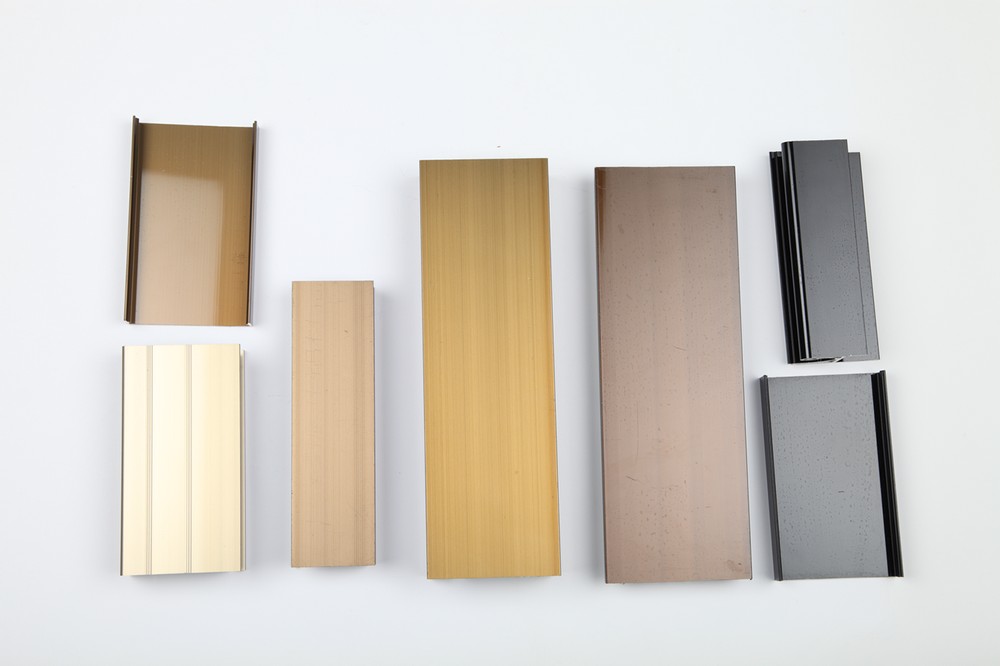
Anodizing dyes are absorbed into the porous oxide after suitable anodizing and rinsing. Their selection depends on the target shade, alloy, coating characteristics, and expected exposure. Anodizing dyes intended for interior appearance should not automatically be accepted for demanding outdoor applications without relevant lightfastness and durability evidence.
Electrolytic coloring uses a different mechanism, involving deposition within the oxide pores from a suitable coloring bath. Its metal salts and stabilizers form another category of aluminum anodizing chemicals. Choose between coloring routes according to the required appearance and performance, then confirm compatibility with the intended sealing chemicals.
Control anodizing dyes using the specified concentration, temperature, acidity, and treatment conditions. Compare samples under consistent lighting and retain approved references. Shade variation can originate before the coloring tank, so review surface texture, oxide thickness, and alloy consistency before concluding that the anodizing dyes need a stronger concentration.
Sealing chemicals treat the porous coating to improve its resistance to staining and environmental exposure. Available systems include hot water treatments with appropriate additives, intermediate temperature systems, and cold sealing processes. Their operating requirements and suitability for particular colors differ, so selection should follow the finished coating specification.
Evaluate sealing chemicals using both appearance and an appropriate seal quality test. A clean surface does not prove complete sealing. Certain test results also depend on sealing method and alloy, so avoid comparing unrelated systems without checking test applicability. Establish the required test procedure and acceptance limits before approving aluminum anodizing chemicals.
Sealing chemicals may impose specific requirements for water quality, rinsing, bath maintenance, and subsequent aging. Include these steps when comparing cycle time or energy demand. For dyed components, verify that sealing chemicals preserve the approved color. For hard anodizing, confirm whether sealing is permitted or required for the application.
When a coating is uneven, first establish where the variation begins. Inspect incoming parts, cleaned surfaces, oxide thickness, and finished color separately. Aluminum anodizing chemicals are only one possible cause. Rack position, component geometry, contact quality, alloy variation, and handling can also influence the final result.
If staining appears after sealing, review rinsing, carryover, sealing chemicals, and bath condition before changing the anodizing bath. If dye uptake varies, check oxide consistency before altering anodizing dyes. Use retained samples and process records to compare affected and acceptable loads, then test a defined corrective action.
Make controlled changes wherever practical. Record what changed, why it changed, and which result would confirm improvement. Repeatedly adding aluminum anodizing chemicals without identifying the cause can obscure the original problem. A documented investigation gives operators a clearer correction method and provides useful evidence when technical support is needed.
Compare aluminum anodizing chemicals by the cost of producing accepted work. Include concentration, replenishment demand, cooling, heating, rinse water, analytical labor, waste treatment, and rejected components. Container price alone does not show whether one formulation is more economical under the conditions of a particular anodizing process.
Request technical data, safety documentation, analytical instructions, storage guidance, and support arrangements. Confirm compatibility with tanks, pumps, seals, and dosing equipment. Review how spent solutions will be managed before changing aluminum anodizing chemicals. A product that complicates maintenance or waste treatment may offset savings achieved in the processing tank.
Run representative trials before approval. Include typical alloys, geometries, production loads, and finish requirements, then document coating quality and consumption. Evaluate anodizing additives, anodizing dyes, and sealing chemicals as a connected system. Successful selection should deliver repeatable accepted components, understandable bath control, and a practical maintenance routine for the production team.
Before the trial starts, agree on the comparison period and the information required for approval. Record the treated area or accepted quantity alongside product additions, operating time, and rejection reasons. Compare similar workloads, since a change in component mix can distort an apparent saving. Include the effort needed to prepare samples and maintain analytical records.
After approving aluminum anodizing chemicals, retain the trial report as a production reference. Define who reviews trends and when the process requires another evaluation. Changes in incoming alloy, lubricant, equipment, or customer requirements may justify fresh testing. This makes chemical selection an ongoing control decision rather than a purchase based only on one sample. Keep approved operating instructions accessible to everyone responsible for the line. Review both routine results and unusual production loads so that changes are detected before they affect a larger batch.

This website uses cookies to ensure you get the best experience on our website.

 中文


 WhatsApp
 Phone
 E-mail
 Message
Comment
(0)