
To prepare aluminum profiles for anodizing, verify the material and finish requirements, complete necessary fabrication, inspect the surface, and establish suitable racking. Then follow a validated cleaning, rinsing, etching or brightening, and deoxidizing or desmutting sequence. Transfer the prepared profiles into anodizing under controlled conditions without introducing new contamination.
Successful aluminum anodizing preparation begins before the profiles reach a chemical tank. Alloy consistency, storage damage, mechanical finishing, and component geometry can all affect the finished appearance. This guide explains how to organize aluminum pretreatment, identify important inspection points, and reduce avoidable defects before oxide formation begins.
Before deciding how to prepare aluminum profiles for anodizing, identify the required coating, appearance, and application. Specify whether the finish will be clear, dyed, or electrolytically colored. Agree on visible surfaces, allowable rack marks, critical dimensions, and the performance tests that will determine acceptance.
surface preparation should match an approved physical sample wherever appearance matters. A description such as satin or silver can mean different things to different people. Keep comparison samples representing the intended material and finish. Clear requirements make aluminum anodizing preparation easier to evaluate than broad instructions to produce a uniform surface.
Confirm the alloy and temper before planning aluminum pretreatment. Different compositions and material conditions can respond differently to cleaning, etching, and anodizing. Extrusion alloys such as 6063 and 6463 are widely used for suitable decorative applications, but their suitability still depends on the intended finish and component requirements.
Where profiles will be installed beside one another, evaluate their appearance together. Do not assume that identical surface preparation will make unrelated alloys or material batches look identical. Retain material identification through fabrication and processing. This helps separate substrate variation from anodizing defects when a color or texture difference appears later.
Plan cutting, drilling, machining, and other fabrication around the finished coating requirements. Operations performed after anodizing can expose untreated metal or damage the surrounding finish. Where fabrication must follow coating, agree on that sequence during design rather than discovering the limitation after production.
Profile preparation also requires attention to dimensional change. Chemical etching removes metal, while anodizing changes dimensions through conversion of aluminum into oxide. Review thin features, threads, mating surfaces, and precision openings with the finishing team. Neither aluminum pretreatment nor coating growth should be treated as dimensionally neutral.
Remove loose burrs and machining debris using an approved method. Inspect internal passages as well as visible faces, since retained chips or lubricant can complicate later cleaning. Document any surfaces that need masking or special handling before attempting to prepare aluminum profiles for anodizing in full production quantities.
Examine profiles for scratches, dents, die lines, fingerprints, corrosion, and marks from packing materials. Anodizing does not reliably conceal these conditions. Some problems become more noticeable after chemical etching or coloring, so inspection should occur before additional processing cost is added.
Keep unprocessed profiles dry and protect them from contaminated spacers, chemical splashes, and prolonged damp contact. Effective profile preparation includes suitable handling and storage, not only bath chemistry. Segregate questionable material and compare it with acceptable stock before changing the aluminum pretreatment process to address a material problem.
Mechanical surface preparation may include brushing, polishing, or another specified finishing operation. The objective is to establish the intended texture before chemical treatment. Direction, consistency, and handling between operations matter, particularly where adjacent profiles must show a similar appearance under the same lighting.
Use appropriate abrasives and clean finishing equipment. Avoid transferring debris or polishing compounds from unrelated work. Inspect the result before releasing profiles to wet processing. Aluminum anodizing preparation should not rely on a stronger chemical etching stage to remove every scratch, deep defect, or inconsistent brushing pattern.
Racking must support the profiles securely and provide electrical contact suitable for anodizing. Agree on contact locations and permitted marks before loading. Profile preparation should account for the actual length, shape, weight, and visible faces rather than assuming that one arrangement suits every extrusion.
Orient sections so treatment solutions can reach the required surfaces and drain effectively. Trapped air or gas can interfere with coating formation or coloring. Review hollow sections, inverted channels, and recessed areas. Where drainage or vent features are needed, obtain design approval rather than modifying the component without an agreed plan.
Consistent loading also supports repeatable aluminum pretreatment. Avoid arrangements that cause parts to touch, retain excessive liquid, or obstruct access during processing. Check rack condition and contact cleanliness. Some apparent anodizing defects originate in loading geometry or electrical connection rather than a failure of the selected chemicals.
An aluminum degreaser removes lubricants, handling oils, and other organic contamination before subsequent treatment. Match the formulation to the actual soil, alloy, equipment, and required surface condition. Aluminum pretreatment may use an inhibited alkaline, acidic, or other suitable cleaner according to the validated process.
Where a polished surface must be preserved during cleaning, evaluate a suitable nonetching aluminum degreaser. Do not substitute a strongly caustic cleaner intended for another metal without compatibility evidence. Check concentration, temperature, treatment time, and solution access to grooves or internal features before approving the cleaning conditions.
Evaluate the aluminum degreaser using representative dirty profiles rather than clean coupons alone. Inspect after rinsing, and confirm that the surface is free of unwanted staining or attack. Reliable surface preparation requires soil removal without introducing another condition that affects appearance or later treatment.
Rinsing removes cleaner and released contamination where required by the process. Rinse water must suit the treatment chemistry and downstream operation. Check circulation, replacement, drainage, and carryover instead of assuming that a visually clear rinse is automatically suitable for aluminum anodizing preparation.
A water break test can help identify hydrophobic contamination on accessible surfaces. Water that beads or separates may indicate residual oily films, but the method does not detect every possible contaminant. Use it as one part of surface preparation control, with additional inspections or testing where the application requires them.
Avoid unnecessary holding in rinse water. Active aluminum surfaces can suffer attack under unsuitable water conditions or extended exposure. Define rinse and transfer times for the process, and investigate staining before increasing immersion time. Good aluminum pretreatment depends on controlled rinsing rather than simply the longest possible rinse.
Chemical etching creates a specified texture by removing a controlled amount of metal. Alkaline and acidic routes can produce different effects, so choose the process that matches the material and approved appearance. Surface preparation for a matte finish may differ substantially from preparation for a reflective decorative surface.
Brightening addresses microscopic roughness to increase reflectivity. It should not be expected to repair deep scratches or larger surface damage. When planning how to prepare aluminum profiles for anodizing, distinguish the functions of mechanical finishing, chemical etching, and brightening instead of treating them as interchangeable ways to hide defects.
Control chemical etching through the relevant bath measurements, temperature, treatment time, and loading. Compare texture and metal removal against the intended result. Longer treatment is not automatically better. Excessive attack may alter dimensions or reveal substrate features without producing an acceptable finish, particularly when incoming material varies.
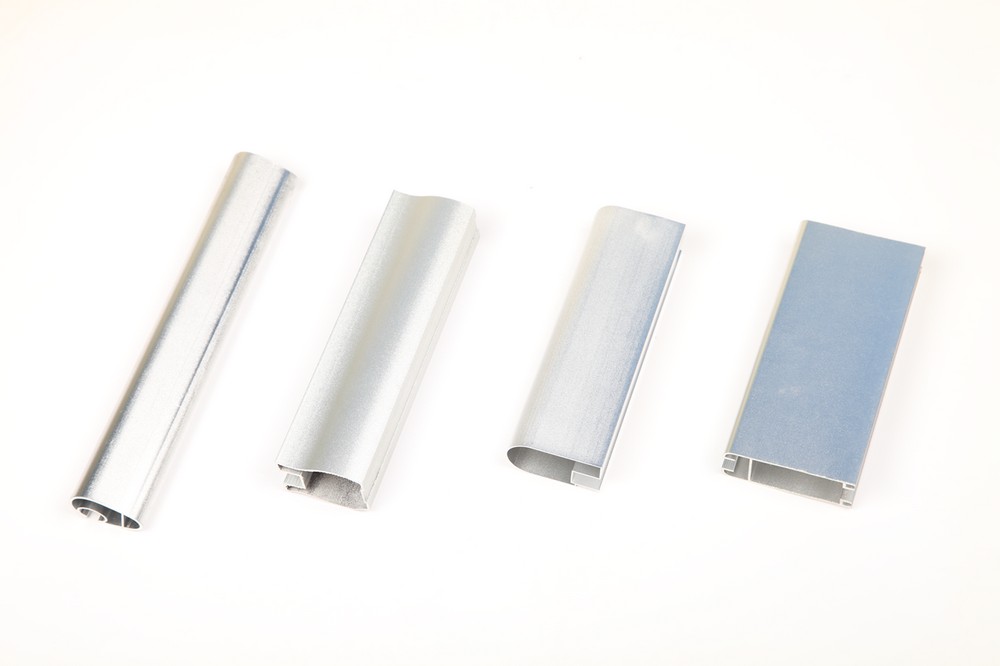
Desmutting removes residues associated with alloying constituents that can remain after etching. Deoxidizing removes surface oxides, although commercial products may combine these functions. Aluminum pretreatment should use a formulation suited to the alloy, preceding treatment, and desired surface condition before the profiles enter anodizing.
Confirm where deoxidizing and desmutting belong in the approved sequence. Different routes may use different arrangements, and some formulations combine operations. A typical matte route may include cleaning, rinsing, etching, rinsing, desmutting, further rinsing, and anodizing. This is a process outline rather than a universal chemical recipe.
Check for residual films, staining, or unwanted attack after desmutting. Follow the selected chemistry's analytical and maintenance instructions. If residues remain, investigate bath condition and alloy compatibility before extending treatment. Effective aluminum anodizing preparation produces a consistently prepared surface rather than relying on anodizing to correct incomplete pretreatment.
Mask surfaces that must remain untreated according to an approved plan. Materials and installation methods must withstand the relevant processing stages without causing contamination or blocking electrical contact. Establish the masking sequence with the finishing team, since it must fit the particular aluminum pretreatment route and component geometry.
Keep transfers between stages controlled. Where the validated process requires surfaces to remain wet, avoid drying and uncontrolled delays. Prevent fingerprints, splashes, or contaminated handling tools from undoing earlier surface preparation. Rinse water and solution retained inside profiles also need attention before transfer into the anodizing tank.
Before anodizing, verify material identity, loading arrangement, contact condition, masking, and the required surface appearance. Check the relevant cleaning, etching, and desmutting records. Aluminum anodizing preparation should include a defined release decision so that questionable profiles do not automatically proceed because the load is already scheduled.
Inspect representative accessible surfaces without recontaminating them. Where a defect is visible before anodizing, document it and investigate the stage responsible. This makes later anodizing defects easier to interpret and reduces the temptation to adjust oxide formation conditions for a problem originating in profile preparation.
Uneven texture may involve incoming material, inconsistent mechanical finishing, insufficient cleaning, or poorly controlled chemical etching. Pale spots or irregular color can involve contamination, trapped gas, or earlier surface damage. Similar appearances do not establish identical causes, so compare the timing and location of anodizing defects.
To prepare aluminum profiles for anodizing consistently, keep records linking material batches, rack positions, bath measurements, and inspection results. Check whether a problem follows the profile, a particular load position, or a treatment stage. Investigate the evidence before increasing aluminum degreaser concentration or changing several process settings together.
Before the trial, prepare a work order identifying the profile drawing, alloy, material batch, required finish, and approved reference samples. Include contact locations, masking boundaries, and critical dimensions. Record the selected surface preparation route and any restrictions on rework. This gives purchasing, fabrication, and finishing personnel a shared description of the expected result.
For routine aluminum pretreatment, record actual operating conditions as well as product additions. A bath can change as dissolved metal and contamination accumulate, even when its appearance seems familiar. Use the analytical methods specified for each formulation and define who responds when a result falls outside the approved range. Consistent sampling makes trends more useful than isolated measurements.
Surface preparation cannot be judged completely in isolation from the finished coating. Run representative profiles through anodizing, coloring where required, and the specified sealing treatment. Compare appearance and relevant performance against the agreed acceptance criteria. A good pretreatment sample does not replace evaluation of the completed product.
Assess samples under lighting representative of their intended use. Keep the viewing direction consistent when comparing brushed or directional finishes. Where adjacent sections will be assembled together, compare them in that arrangement rather than examining each piece separately. Include typical lengths and difficult geometries in the trial. A short flat coupon can confirm some chemical behavior but may not reveal drainage problems, handling marks, or loading effects that occur with the finished extrusion during normal production operations.
Use the trial to confirm repeatability across normal production conditions. Record the approved aluminum pretreatment sequence, operating limits, handling requirements, and inspection points. Reassess aluminum anodizing preparation when alloys, lubricants, profile geometry, or finish requirements change. The aim is a documented process that the production team can maintain consistently.
No. Chemical etching must match the finish and material. A polished appearance may require a different route from a matte surface. Use approved samples to establish the treatment rather than applying the same metal removal target to every profile.
An aluminum degreaser and desmutting chemistry serve different purposes. Removing oil does not establish that alloy residues or oxides have been removed. Combined products require validation, and the complete sequence should demonstrate acceptable results on the actual material.
Hold the affected load and identify the stage responsible. Do not repeat chemical etching or other treatments automatically, since further processing may alter dimensions or appearance. Agree on rework limits, document the decision, and retain a comparison sample. Investigating the cause before proceeding helps prevent repeated anodizing defects and unnecessary material loss.

This website uses cookies to ensure you get the best experience on our website.

 中文


 WhatsApp
 Phone
 E-mail
 Message
Comment
(0)